









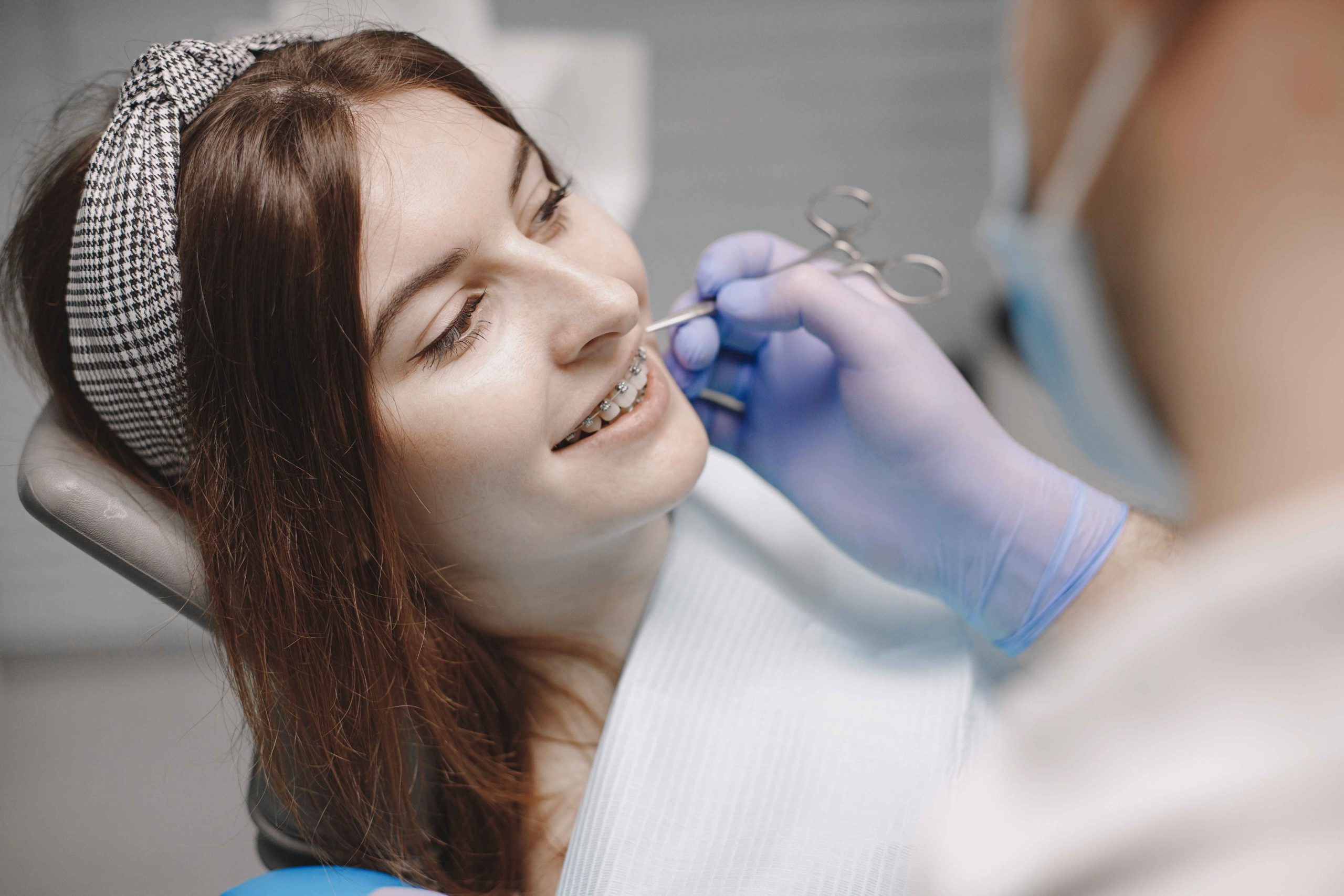
Braces can look quite similar at first glance, but their brackets can work differently. Traditional braces usually use small elastic bands, while self ligating braces have a built-in clip or sliding door to secure the archwire. This changes how the wire is held without changing the main purpose of treatment. Knowing the design and how it works can make the treatment process easier to understand.
What Are Self Ligating Braces?
Self-ligating braces are a type of fixed orthodontic treatment designed to improve tooth alignment over time. Small brackets are bonded to the teeth, and an archwire passes through them in order to guide tooth movement.
The main difference is the bracket itself. Instead of using a separate elastic or metal ligature, the bracket has its own mechanism for holding the wire.
Some practical differences include:
- The wire is secured with a built-in clip or door.
- Separate elastic ligatures aren’t needed.
- Archwire changes may take less chair time during some appointments.
- Both active and passive bracket designs are available.
The right bracket system depends on your teeth, bite, treatment needs, and your orthodontist’s recommendation. At Dental Oasis, a professional assessment can help determine which option may suit you.
How Do Self Ligating Braces Work?
The basic goal behind self ligating braces is similar to conventional braces. The brackets and archwire work together to apply controlled forces that encourage the teeth to move into their planned positions over time.
The built-in mechanism keeps the wire in place, while regular appointments allow the orthodontist to check progress and make adjustments as well.
Here’s what you can generally expect during treatment:
Archwire Changes
As your teeth move, different wires or adjustments may be used to keep treatment on track. The built-in clip can make removing and securing the wire more straightforward during some appointments.
A few things that may happen include:
- The existing archwire may be removed.
- A new wire may be fitted.
- Adjustments may be made based on tooth movement.
The built-in clip may make some wire changes quicker during appointments, but that doesn’t necessarily mean the overall treatment will be shorter.
Gradual Tooth Movement
The brackets and archwire apply controlled pressure to gradually improve tooth alignment. Depending on your needs, treatment may help with:
- Crowded or overlapping teeth
- Gaps between teeth
- Certain bite problems
- General alignment
Your orthodontist will monitor the movement and adjust treatment when needed.
Regular Checkups
Regular appointments are an important part of orthodontic treatment. They help your orthodontist make sure everything is moving as planned.
During these visits, they may:
- Check tooth movement and alignment
- Adjust or replace the archwire
- Assess the brackets
- Make treatment changes when needed
These visits also give you a chance to mention any concerns or discomfort.
Are Self Ligating Braces Right for You?
Although self ligating braces have a different bracket design, they aren’t automatically the best choice for every patient. Your orthodontist may consider:
- Current tooth alignment
- How your upper and lower teeth meet
- Spacing or crowding
- Overall oral health
- Treatment goals
Research hasn’t consistently shown major improvements in overall treatment time or final results compared with conventional braces. At Dental Oasis, an orthodontic assessment can help you understand the available options and choose an approach suited to your needs.
Conclusion
In summary, self ligating braces may look similar to traditional braces, but their built-in mechanism changes how the archwire is secured. They still rely on controlled orthodontic forces to improve alignment over time, while regular checkups help keep treatment on track.
The main difference is really the bracket design, rather than a completely different way of moving your teeth. If you are considering braces, Dental Oasis can assist you in understanding your options and what may work best for your smile as well, while your orthodontist can recommend the most suitable treatment.